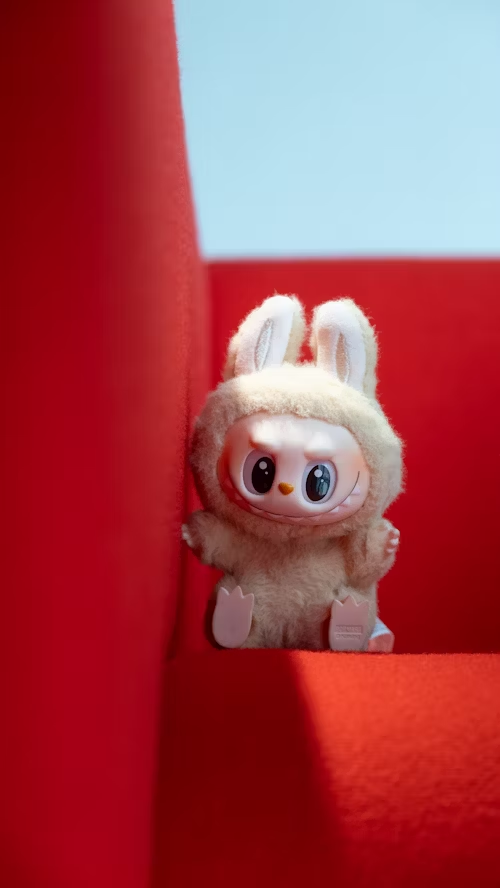

The slightly moody face, round eyes with nine shimmering fangs, and fluffy fur-covered body – this is “Labubu,” a mysterious fairy born in China. This lovable yet strange character is now enchanting audiences worldwide.
Why has Labubu moved the world?
The picture book “The Monsters” was first released in 2015, written by Hong Kong born illustrator Kasing Lung, and Labubu is a fairy character that appears in this book. A Chinese toy maker Pop Mart International Group has been responsible for the production of character merchandises of Labubu, in which the sales reached 13.88 billion yuan (approximately 285 billion yen) in the first half of 2025. This recorded an astounding increase of 204.4% compared to the same period last year.
While Labubu is unquestionably adorable, what are the reasons behind people’s frenzy over this character? One theory suggests that the K-pop star, Lisa from BLACK PINK has been playing a significant role. In mid-2024, she posted a photo of Labubu on her instagram account and soon after, her passionate fans bought up the merchandise. The trend instantaneously spread to international celebrities, from Lady Gaga and Dua Lipa to rapper Central Cee. The character has found fans among celebrities of all genders.
Labubu has since then appeared across every conceivable social media platform, and a fierce battle for acquisition eventuated. The combination of blind box marketing (sold completely sealed without knowing the content) and limited production amount, Labubu’s price on secondary markets have inflated.
From simple bag charm to symbol of wealth
First beloved simply as a cute doll, Labubu shortly became an item for “oshi-katsu” (fan activity) where people wore multiple Labubus, and created fan arts and other derivative contents. Later, celebrities began carrying Labubus with their luxury brand handbags. There is a reason behind this trend: the predominance of classic, long-established items like Hermés Birkin and Chanel Matelassé made it difficult for individuals to express unique qualities, standardizing the use of bag charms. Celebrities attached Labubu just like other bag accessories, and it rapidly emerged as a status symbol.

On resale sites such as StockX, transaction volume rapidly increased. In 2023, the number of transactions was less than 100 annually but by 2025, it recorded over 1,000 daily. Evidently, the limited VANS collaboration model was sold for $10,000 (approximately 1.33 million yen), and the single-edition piece was traded for 1.08 million yuan (approximately 22 million yen).
The Deification of “Labubu”: Waves Continuing into Pop Culture
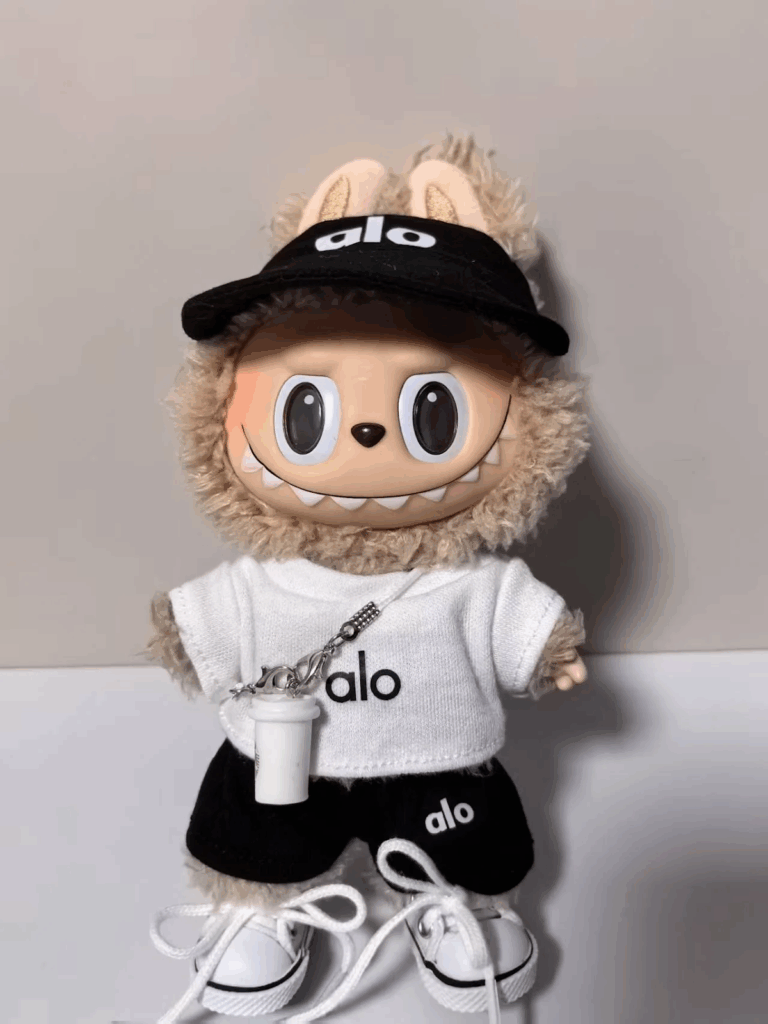
Labubu has transformed into diverse media platforms, soon after dominating the market. In the process, Labubu customization became a norm. Collectors personalize their Labubus with tattoos and dental grills just like humans, or dress them in custom-made outfits, promoting the character to blend with fashion culture.
What’s trending among us will also trend among Labubus. Costumed in the latest wear, trendy bags and items, collectors treat their Labubu as if they are alive.
Alongside various fan arts being posted on digital platforms and art works that feature Labubu, it can be said that their impact on art culture is remarkable. The “LABUBU SONG,” a parody song of “Sigma Boy” (a track that went viral on TikTok), has exceeded 2 million views on YouTube. Needless to say, the distribution of counterfeit goods has spread as well.
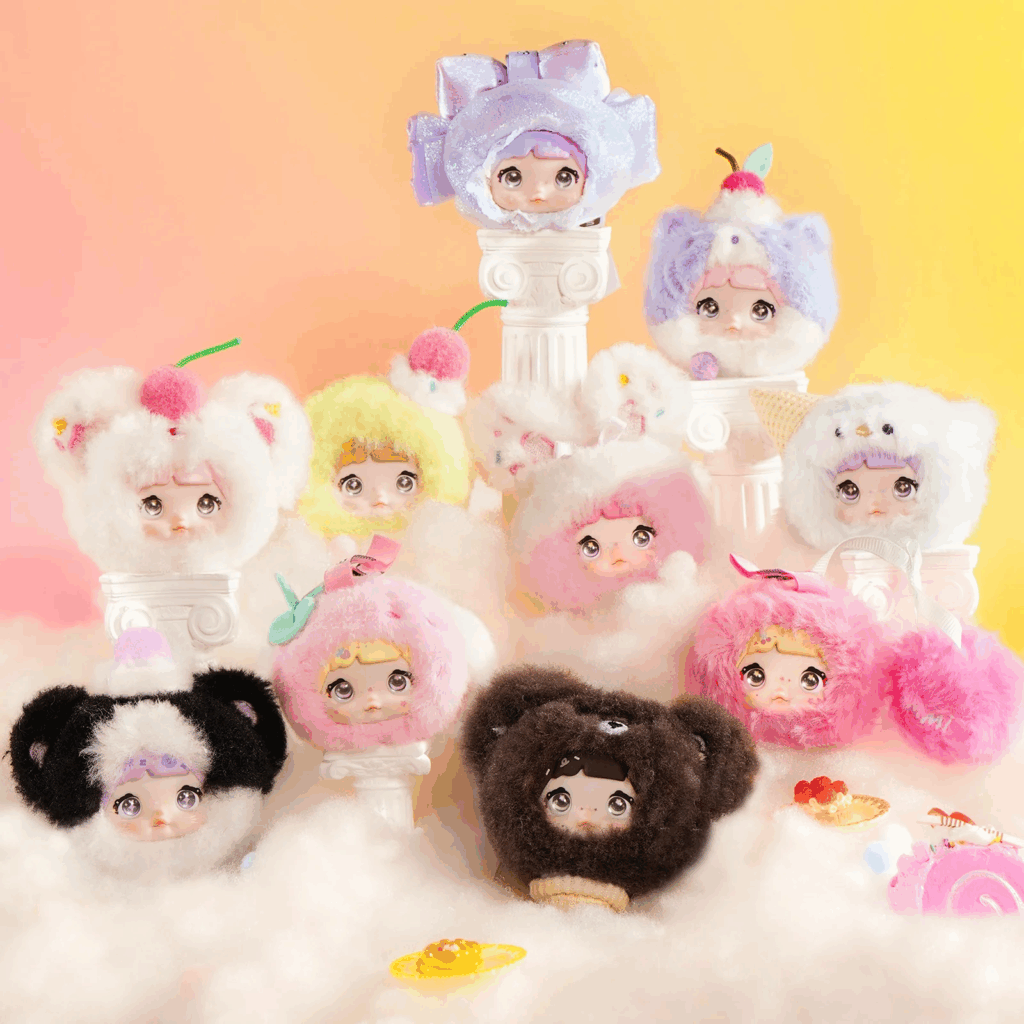
While Labubu continues to update its peaks of popularity, a price collapse is occurring in China. Market normalization occurred as official distributors increased the product release quantity, where resellers who stockpiled Labubus are facing a crisis. With such perfect control over scalping, resellers are now eagerly searching for the next Labubu. Given this, other characters are slowly gaining attention – to name a few, “CRY BABY” by Pop Mart and “nommi” by rival company TOP TOY.
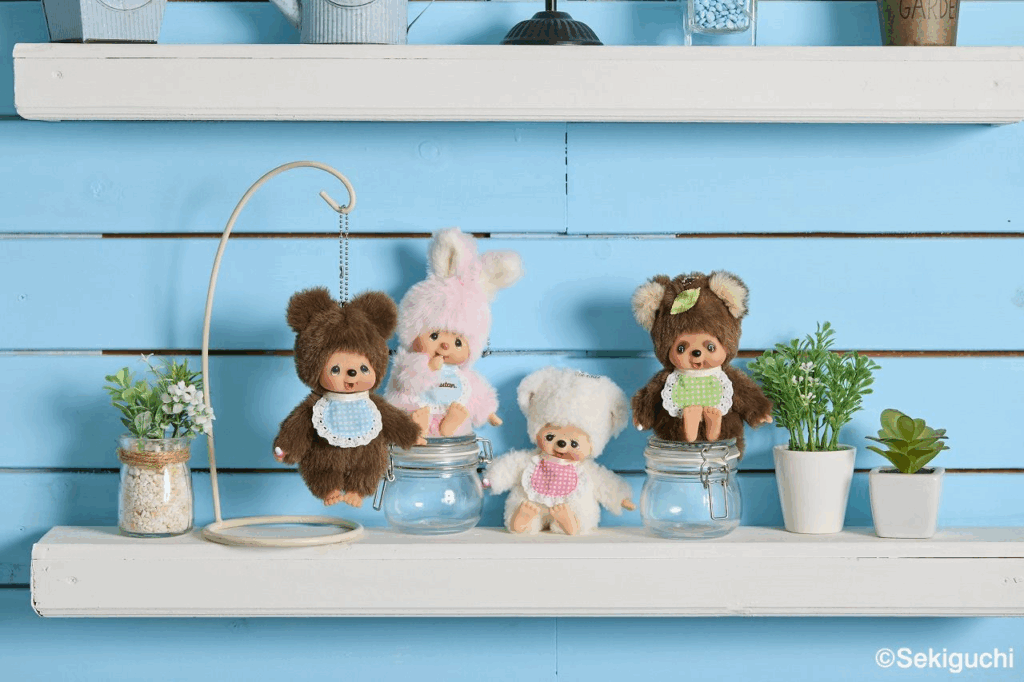
Japan has a well-known long flourishing culture with character content, and classic characters are regaining their popularity. “Moncchichi” which brings Labubu to mind, “Hello Kitty,” and “Myaku-Myaku” that had an explosive hit at the Expo, suggest that character IP will have continuous adoration. As a matter of fact, Myaku-Myaku busily makes appearances in various campaigns and promotions, and even a collaboration with Labubu has been confirmed. These multi-sectoral collaborations have assisted characters to be recognized as social culture, going beyond their boundaries.
Kasing Lung, the Labubu creator, is now partnered with Kaikai Kiki Gallery, operated by contemporary artist Takashi Murakami. His recent work includes creating pop art featuring character motifs through solo exhibitions and other event venues.
Through the approachable presence of Labubu, we can naturally encounter art and culture. Collectors found cultural value in Labubu, treated them as art and as a result, expanded this immense “art toy” market.
The character Labubu has become a pop culture icon that mirrors the present-day aspects of our lives. Art is now increasingly familiar with pop culture, thanks to Labubu. In the near future, we may see the rare Labubus presented alongside works by Van Gogh and Duchamp.