The world of contemporary art originated in the West. While the Asian art market has followed in these footsteps, it has begun to take on a distinctly unique character over time.
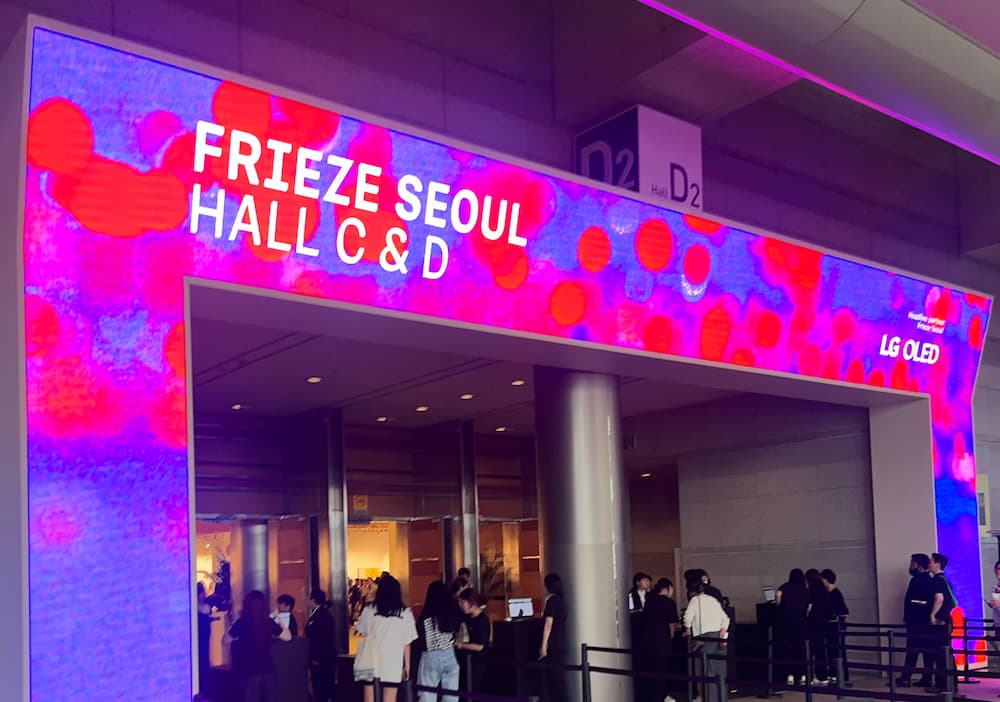
FRIEZE is a contemporary art and culture magazine that was first issued over 30 years ago in the UK. Since then, it has founded premium art fairs including Frieze London, Frieze Masters, Frieze New York, and Frieze Los Angeles – all have become one of the world’s most significant art fairs for art industry professionals. Held from September 3 to 6, 2025, the fourth Frieze Seoul featured over 120 art galleries from South Korea, Japan, and other Asian countries, as well as Europe and North America.
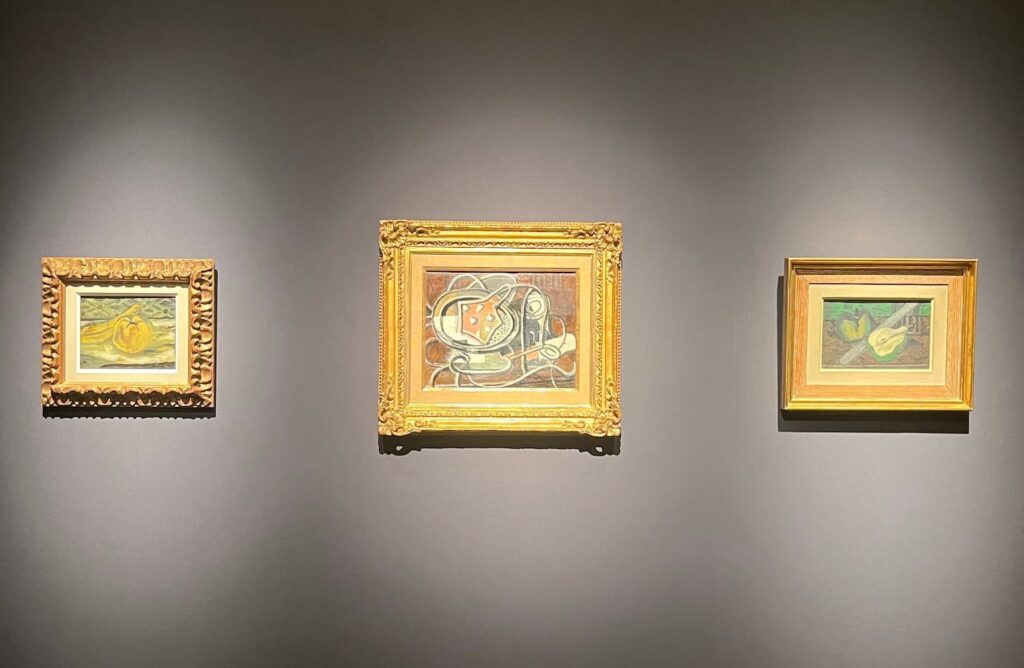
The convention center in Seoul’s Gangnam district, COEX, was used as the venue. Kiaf Seoul, which took place during the same period, primarily featured Korean galleries alongside diligent introduction of emerging artists and works that offer insights into Korean culture. In the meantime, Frieze Seoul distinctly showcased internationally diverse works, including artists of historical significance and rareness.
The State of Contemporary Art Today – Erwin Broom
Similar to Kiaf Seoul, the venue was crowded with abounding visitors. An eye catcher was the sales performance at each gallery. Generally, artworks at art fairs are sold on a first-come, first-served basis. Once purchased, these compositions are delivered to the buyers after the completion of the fair. Colored stickers on artwork lists or captions are used to inform the sales status of the artworks, and while it may vary by gallery, red indicates sold and blue indicates that the work is under negotiation. In general, any work with a sticker should be considered unavailable for purchase. Take Ninagawa which participated in Frieze Seoul, was reported to have sold Shinro Ohtake’s major work within the first 10 minutes. Some may view the Korean art market is losing its peak momentum, however its position as a hub within Asia evidently stands firm.
The works on display were all masterpieces of modern art, seemingly reflecting its vitality. Erwin Wurm, born in Austria in 1954, pursued his studies at the University of Applied Arts Vienna and the Academy of Fine Arts Vienna, and is an artist based in Vienna and Limburg. With works in the collection of prestigious museums worldwide, he remains a leading artist with his cynical and humorous style.

Thaddaeus Ropac, located in five cities including London, Paris, and Seoul, exhibited “Vanity” for sale. This sculpture made in aluminium portrays a mystifying figure of a handbag with growing legs, a motif of the viral “Cassette” design by Bottega Veneta. The New York-based gallery LEHMANN MAUPIN also exhibited and sold Wurm’s artwork “Melancholia.” Both works are motifs of fashion items, which suggests our desire about how we want to be seen through these items and questions how we are perceived by the world.
Asia’s Collaborative Art Scene: The Significance of Broadcasting from Seoul to the World
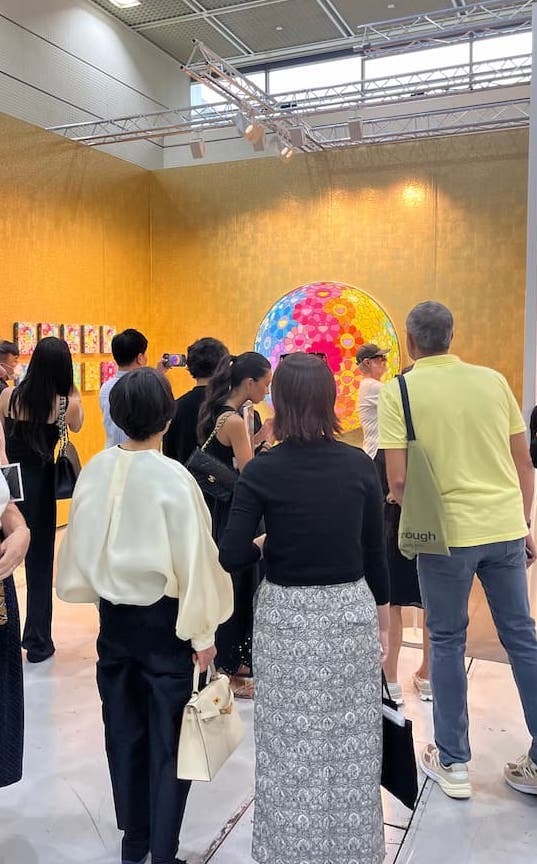
The growing attention on the Asian art scene, including Korea and Japan, are likely the reason why global museum officials and collectors are gathering at FRIEZE Seoul. By incorporating their heritage and national traditions and cultures into their art pieces, the Asian artists have created contemporary art works through a distinctively different approach to Western artists. These Asian artists have gained increasing global recognition over the past few years.
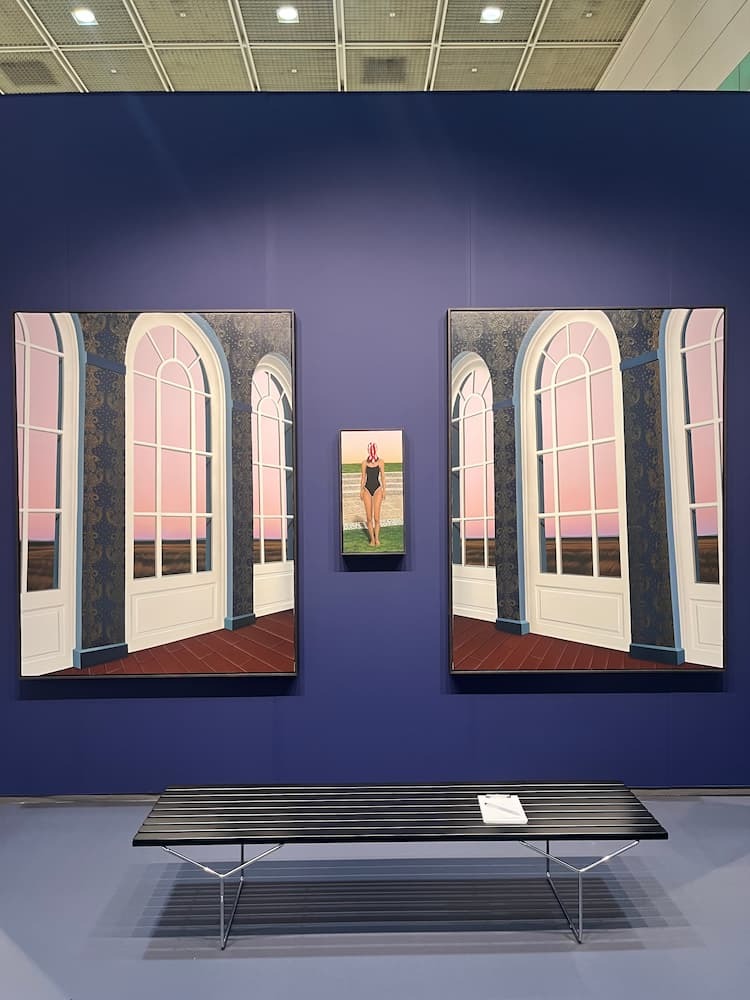
Esther Schipper, established in Berlin in 1989, featured a new work by Sun Yitian at the centre of their space. Sun is a Beijing-based female artist who received attention through the collaboration with Louis Vuitton in 2024. Her work “Self-portrait” is a three-panel art piece in an altarpiece-like composition. The female figure in the centre wears a swimsuit that exposes her skin, while her face is fully covered. Her posture seems defenseless yet disobedient. The item covering her face is a facekini, which emerged on Qingdao beaches to protect against sunlight and jellyfish stings. For the artist, the facekini recalls the tradition of female divers that existed in Japan and Korea from the former age, associating it to a symbol of woman independence in a patriarchal society.

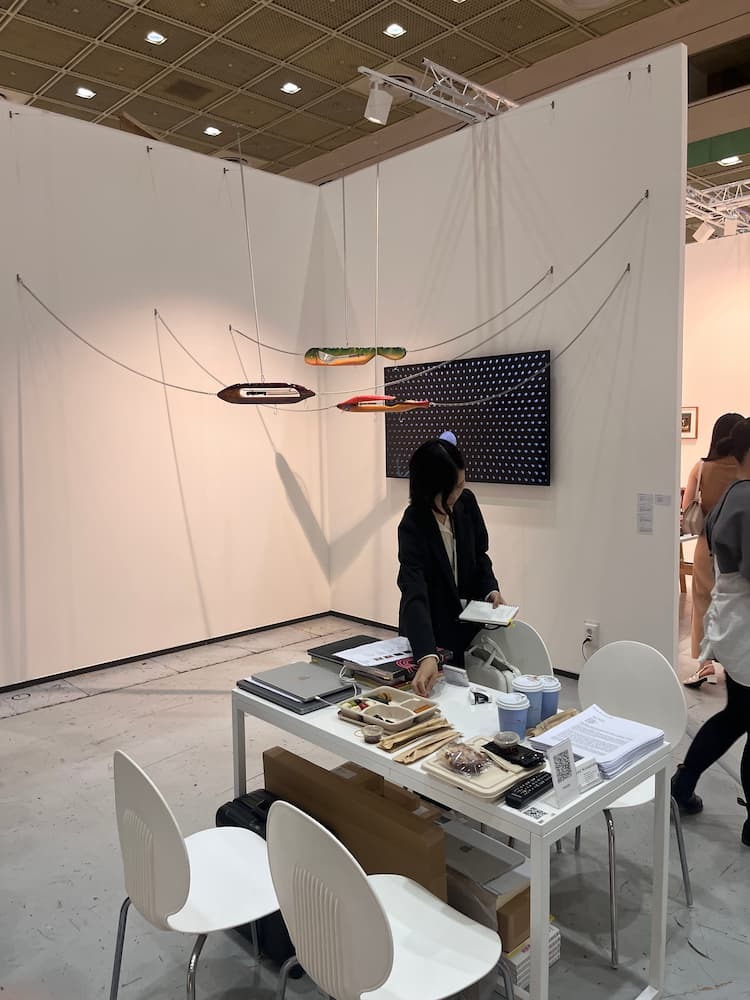
ANOMALY, participating from Tokyo, exhibited works by Takuro Tamayama in their space, utilizing daily furniture to make the invisible visible – forces like gravity and air. Moreover, in spaces defined by ceiling support, each role and meaning of architectural elements were transformed, which enabled the creation of a new visual landscape.
70,000 visitors from 48 countries worldwide were attracted to FRIEZE Seoul. From masterpieces to latest works, the art fair made it possible to trace the genealogy of contemporary art from different periods (even with works available for purchase!), while feeling its own unique energy. I highly encourage you to experience this immersive and exciting art scene at Asia’s closest city, Seoul – just over 2 hours from Tokyo.