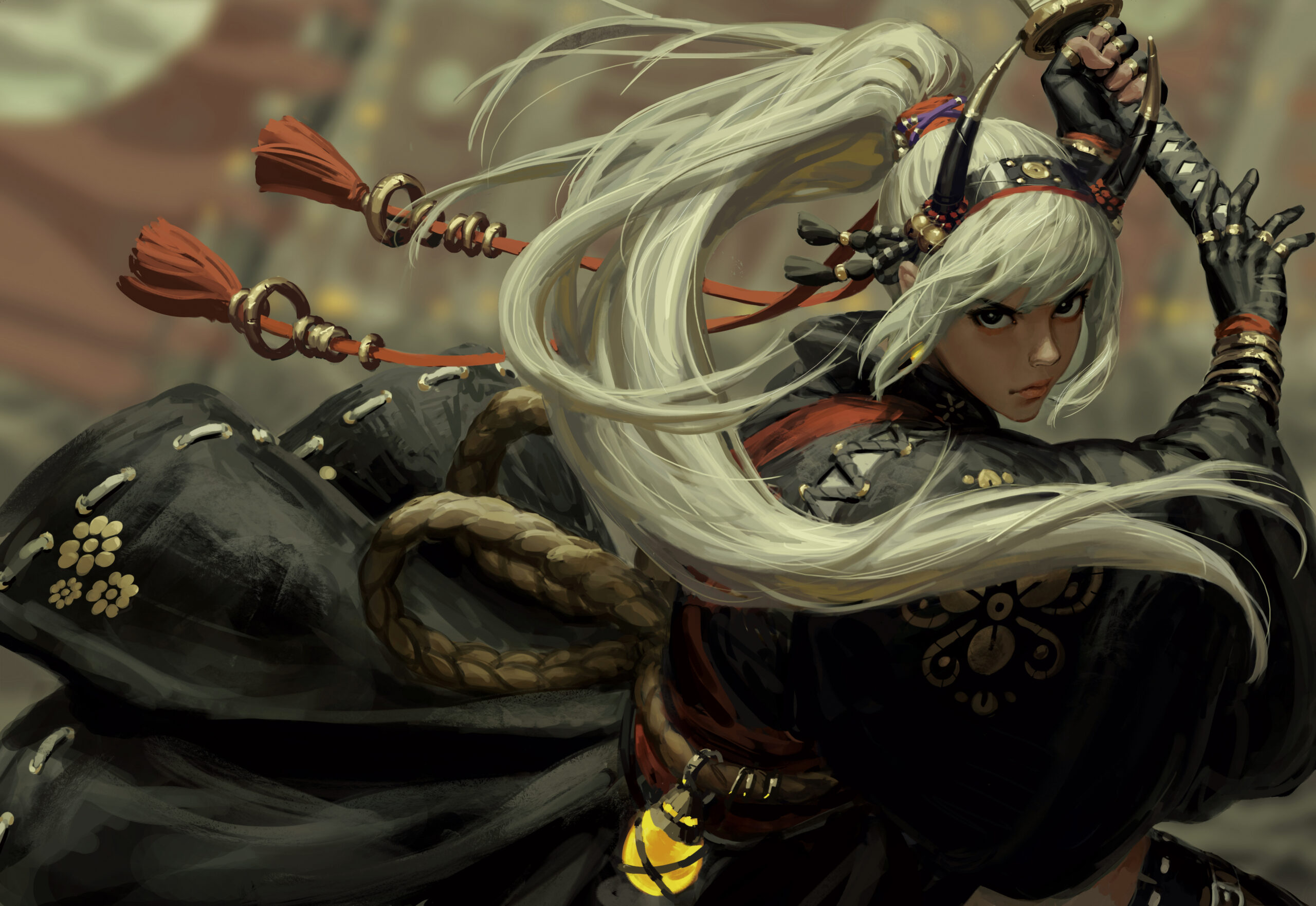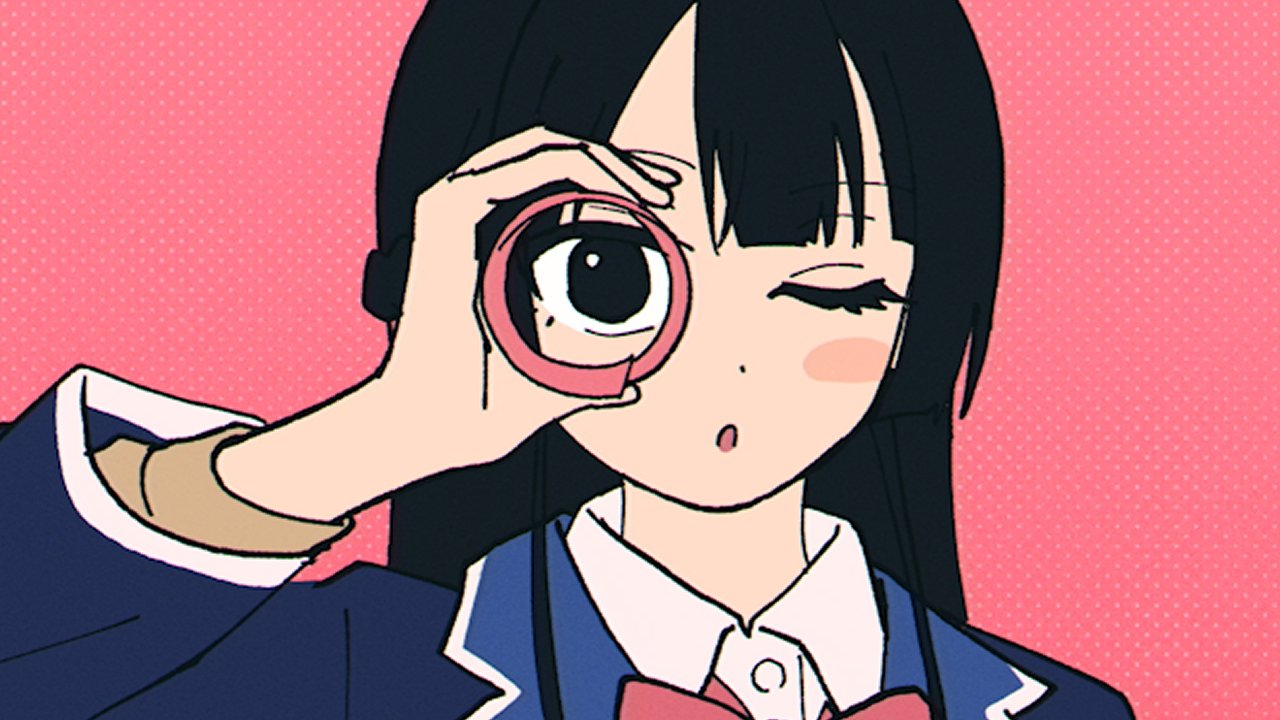
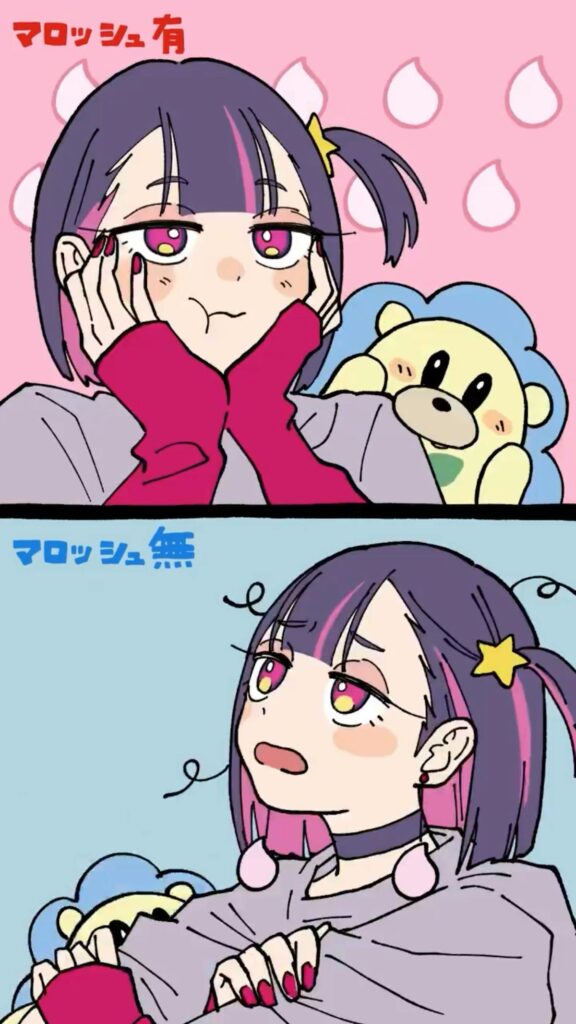
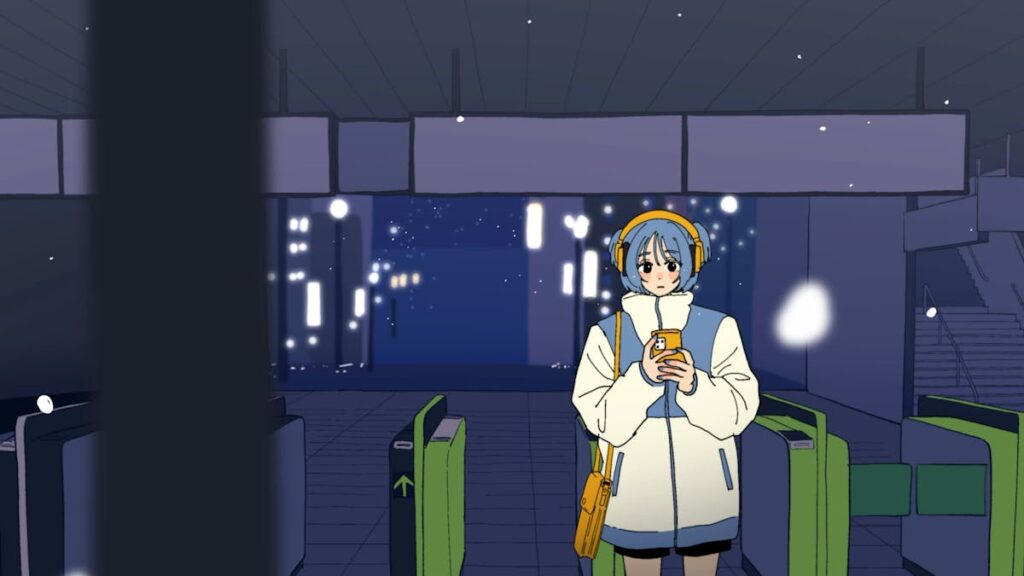
Illustrator and animation artist coalowl has made a remarkable mark on the creative scene, contributing to some of the most striking visual works of recent years — from the ending animation of the TV anime Chainsaw Man, to PEOPLE1’s Jōyatō music video, and the package illustrations for Kanro’s gummy brand Marosh.
Although she has long been active at the forefront of her field, coalowl has rarely spoken publicly about herself… until now. On the occasion of her first solo exhibition, we had the opportunity to hear her story firsthand. In this exclusive two-part interview, she opens up about her creative journey, the inspirations behind her works, and the hidden layers of imagination that define her distinctive world of animation.
Thank you for taking the time to speak with us today. Since you’ve rarely given interviews in the past, may I ask what inspired you to do so this time?
coalowl: Thank you for having me! Until now, most of my work has been making animations for artists or companies. For those projects, I’m always thinking about how to express their vision – for example, in a music video, it’s about the song, and in a commercial, it’s about the product. So I never really felt the need to talk about myself.
But this time, since it’s my first solo exhibition under my own name, I thought it would be a good chance to share a bit of my own story.
We really appreciate this rare opportunity!
Her Childhood Days Drawing the Original Powerpuff Girls
Your illustrations are known for their distinctive “cute” aesthetic. Has that always been part of your style?
coalowl: Yes! I think I’ve always drawn in that style since I was a child. Back then, I spent hours drawing the Powerpuff Girls. I’d experiment with changing their hairstyles or outfits, and I also created my own imaginary characters that didn’t exist. I remember really enjoying making up and drawing those original ideas.
Did you ever post your drawings online or show them to other people?
coalowl: Yes, I used to post them on online forums. There were boards where people could comment and give feedback on the illustrations, and I think having that kind of space made it fun to keep drawing.
Did you join the art club in high school? By then, you were probably starting to think about your future. Did you imagine yourself making a living from art?
coalowl: I kept drawing even while doing rhythmic gymnastics in high school. But I didn’t really think I could make a career out of it. Of course, it would have been great, but I felt it was unlikely – so I thought it would be nice if I could draw on the side, as a kind of secondary job.
A side job! That’s pretty unusual to think that way from the start I think.
coalowl: Yes, that’s true. That’s why I focused on my studies and prepared for university. I wanted to have a stable path I could fall back on in the future.
More Than Just Cute: A Teenage Obsession with Horror and Splatter
Did you continue drawing in college?
coalowl: Not as intensely as before. I did a little bit of illustration work, but I definitely drew more in middle and high school. In college, I got really into movies and watched all kinds. I’d look up famous films online, like Pulp Fiction or Knockin’ on Heaven’s Door, searching for lists like “movies you must see before you die.” For some reason, I also craved a strong emotional jolt, so there was a period when I was watching a lot of dark or horror films, like The Shining and Requiem for a Dream.
Did all that input influence the illustrations you were creating at the time?
coalowl: Surprisingly, I don’t think it had much impact back then. I did doodle a few horror-inspired illustrations here and there, but I never posted them online. Looking back, that period of inspiration may actually be influencing the way I create music videos now.
Did you have any criteria for what you would post online?
coalowl: Even now, I only post work which I feel satisfied with in terms of quality. Another big factor was whether it felt “embarrassing” or not. There was a time when I drew bloody or gory images, but I was aware that I’d be creating a kind of “living black history,” so I avoided posting those…
Blood!? That’s surprising, given your current style!
coalowl: Most of the work I posted was “cute”. But honestly, I really enjoyed drawing the darker, more twisted stuff too!
Out of curiosity.. Was there any reason for your drawing pace slowing down in college, compared to middle and high school days?
coalowl: I did rhythmic gymnastics in middle and high school, and it was really tough – I wanted to quit so badly, but I couldn’t because of pressure from my surroundings. I think I used drawing as a way to let out that frustration. When I got to college and finally quit gymnastics, that built-up tension went away, and my drawing naturally slowed down a bit. I don’t really remember how I was feeling at the time, but looking back, that’s how it seems.
What did you do after graduating from college?
coalowl: I got a regular office job, doing typical administrative work. It was so busy that I hardly had any time to draw. Back in high school, I had thought about drawing as a side job, but at that point, I wasn’t able to make that happen. It took some courage, but I eventually decided to quit the company.
Did you decide to commit yourself to making a living through your art?
coalowl: I’ve always wanted to make a living from my art, but when I quit my job, I didn’t have any clear plan at all. It was more like, “I don’t know what’s going to happen next, but for now, I’m just going to quit!”
Despite the “cute” image of her work, coalowl left her office job on a whim. The idea she had in high school of drawing as a side job never came to fruition. Yet even without a clear path ahead, taking that first step would shape the future in ways she couldn’t have imagined.
In the second part of this interview, we trace the journey from the setbacks she experienced at a young age to becoming a full-time professional illustrator, far beyond the “side job” she once envisioned. We’ll also reveal behind-the-scenes stories from her upcoming solo exhibition. Stay tuned!