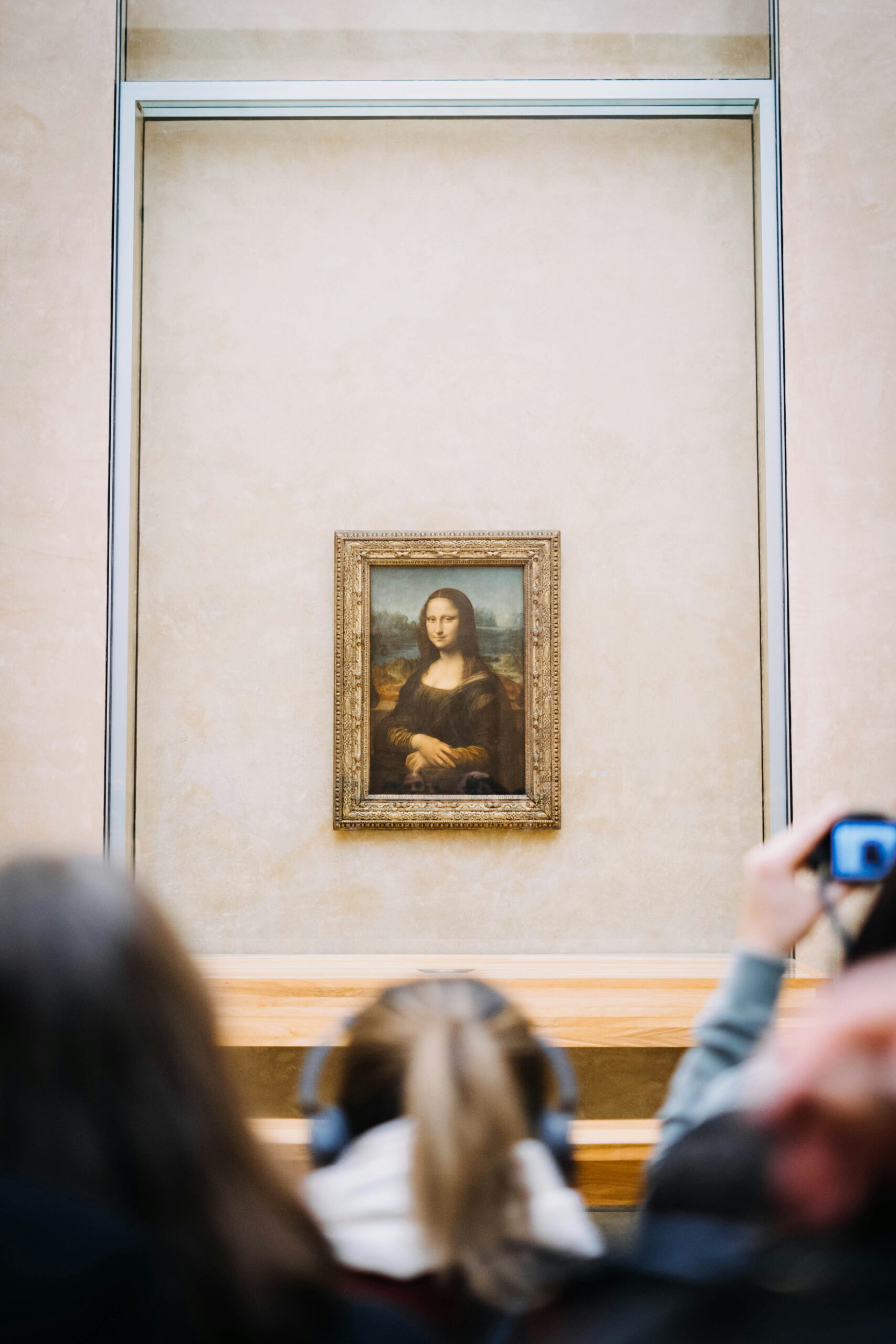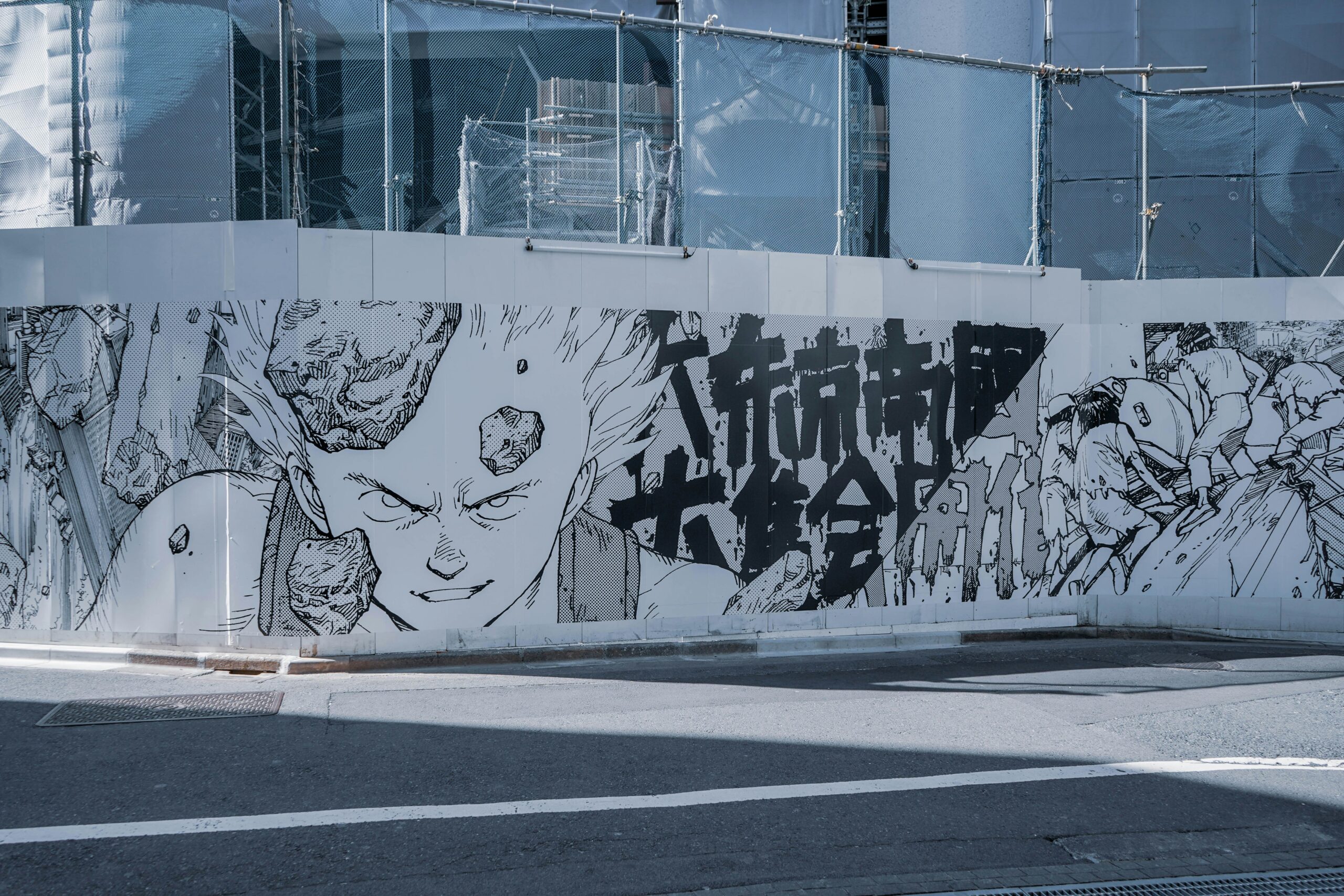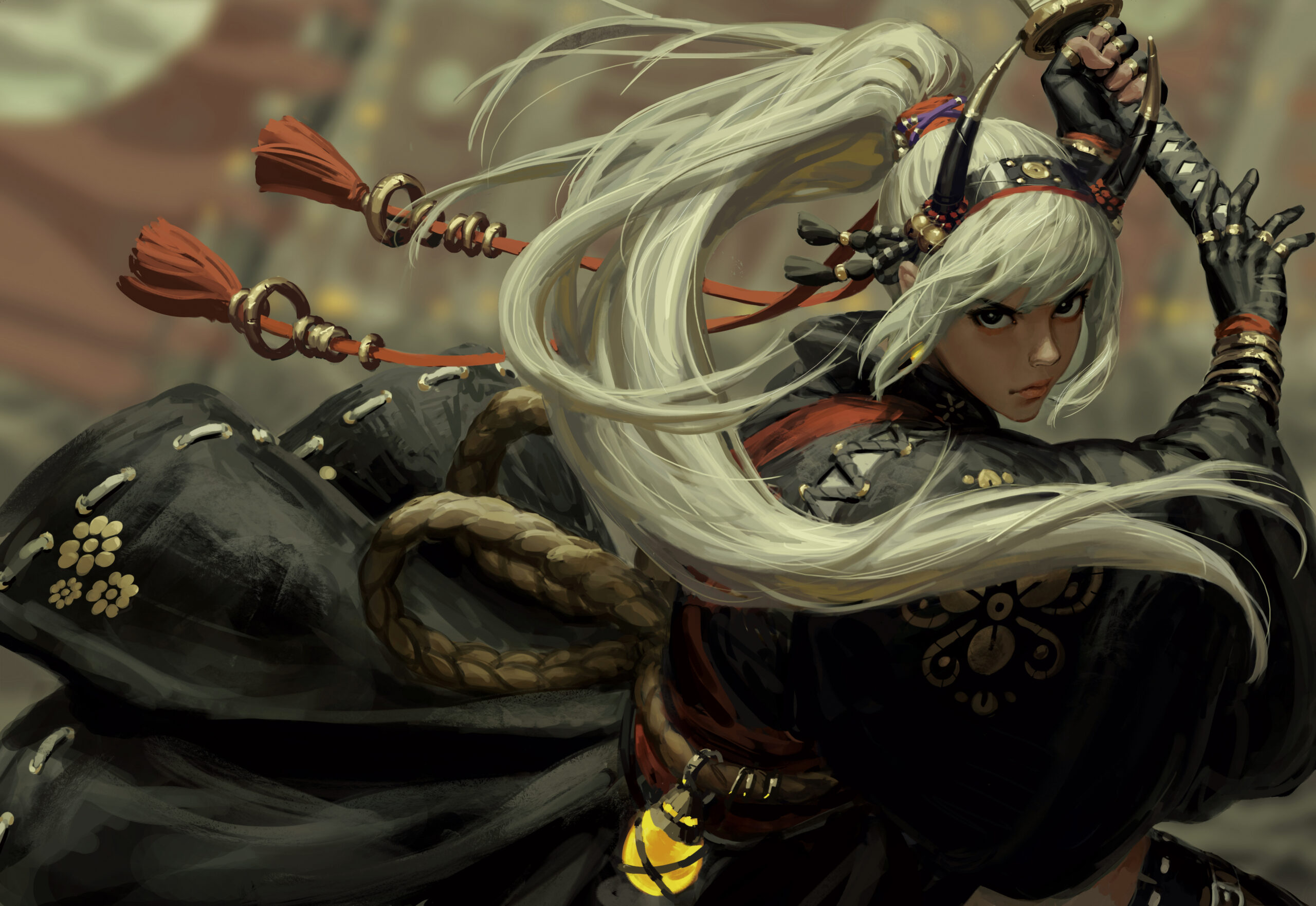
Why UMEZZ, and Why Now?
Have you heard of Kazuo Umezu? Prolific and filled with hits, his name likely calls to mind a range of works. Or perhaps you picture him as the eccentric manga artist living in the red-and-white house in Kichijoji.
The manga world lost one of its true masters last year. Kazuo Umezu, who passed away at the age of 88 from stomach cancer, was a genius whose creative range stretched from horror and science fiction to gag comedy. Known for masterpieces such as The Drifting Classroom and Makoto-chan, Umezu was more than a manga artist – he was a cultural phenomenon who appeared on television, directed films, and held exhibitions that blurred the boundary between manga and art.
His passing came just after reports surfaced that he had begun working on a new series of paintings. Umezu’s influence, however, extends far beyond Japan. In 2018, he was honored with the Heritage Award at the 45th Angoulême International Comics Festival in France – Europe’s largest celebration of comics – for My Name is Shingo, recognized as a “heritage work that should be preserved forever.”
Today, his signature expressions of “terror” and his instantly recognizable art style continue to stay viral online, repurposed as internet memes, printed on merchandise, and celebrated worldwide as a uniquely Japanese form of cultural artistry.
One could write endlessly about the sheer breadth and brilliance of Umezu’s long career… but first, let me stretch this: Kazuo Umezu is far more than just “that eccentric guy” living in the red-and-white striped house in Kichijoji.
Born in Wakayama Prefecture in 1936 and raised in Nara, Kazuo Umezu aspired to become a manga artist after reading Osamu Tezuka’s New Treasure Island in fifth grade. When Umezu later sent some of his early work to Tezuka, the great master reportedly remarked, “A genius has appeared. After graduating from high school, Umezu made his professional debut with The Brothers and Sisters of the Forest, setting him on the path to becoming one of Japan’s most popular manga creators. Following a series of ups and downs, he ignited a nationwide horror boom in the mid-1960s with works like Cat-Eyed Girl and Snake Woman, serialized in Shōjo Friend. To distinguish his work from the existing genres of “mystery” or “thriller” manga, Umezu coined the term kyōfu manga, literally “horror manga.” It was this period, marked by both extraordinary output and artistic daring, that earned him the enduring title: “The God of Horror Manga.”
Junji Ito, the reigning king of modern horror manga, known for masterpieces such as Tomie and Uzumaki, and recipient of the Special Honor Award at the 2023 Angoulême International Comics Festival – once said:
Umezu-sensei is ingrained in me so deeply that his influence seeps into my work, even when I’m not conscious of it.
— Asahi Shimbun, November 13, 2024
Stepping Into the Strange and Terrifying World of UMEZZ!
The true brilliance of the “God of Horror Manga” lies in what came after. From Nekome Kozō, Orochi, and Iara, to the 1970s masterpieces The Drifting Classroom, Makoto-chan, Baptism, My Name is Shingo, and 14-sai, Umezu produced an astonishing array of works that went far beyond horror, cementing his place as one of Japan’s most versatile and influential manga creators.
The Drifting Classroom, which begins with an entire elementary school being suddenly blasted into the future, is a perfect entry point into Umezu’s world. The boys arrive in a desolate, post-apocalyptic landscape; a future where the land has turned to desert, and the adults, who should guide the children, quickly perish.
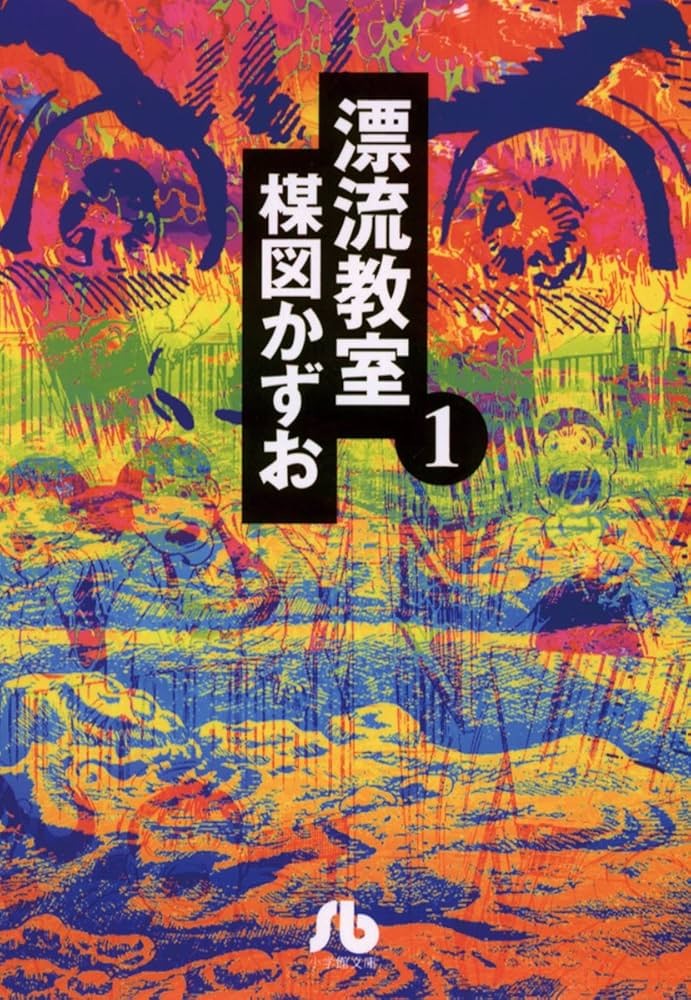
As one iconic line makes clear –
“From now on, our studies won’t be about getting good grades like before – they’ll be about our very survival!” – the boys must continue on their own, forming communities and managing society themselves. Umezu masterfully depicts both the “end” of human history and the “beginning” of human society’s survival, leaving readers in awe of his storytelling prowess.
In their world, the usual rules of “ethics,” “common sense,” and “morality” no longer apply. Only then do the boys confront the fundamental questions: What do we truly value? What is our purpose? What must we do to survive and achieve all that? Umezu’s work pushes readers to face these primal questions lying beneath the surface of any stable society – an intensity that is as thought-provoking as it is terrifying.
While Umezu is famed for his thrilling works, he also created deeply philosophical stories that draw readers in completely – so much so that novelist Yukito Ayatsuji once said he “cries the moment he turns the page.” In My Name is Shingo, the life of the robot Shingo unfolds through a narrative rich with layered themes, intricate plot developments, philosophical reflections, and strikingly artistic imagery. It’s not an easy story to fully “understand” on a first read, yet somehow, it manages to move readers profoundly as it is a truly mysterious and unforgettable work.
Sixth-grader Satoru visits the factory where his father works and meets Marin, a girl from another school. The two quickly form a deep bond and pose a seemingly impossible question to one of the factory’s industrial robots: how do we have a baby? The robot’s enigmatic answer comes back as: “333 no teppen kara tobiutsure”…
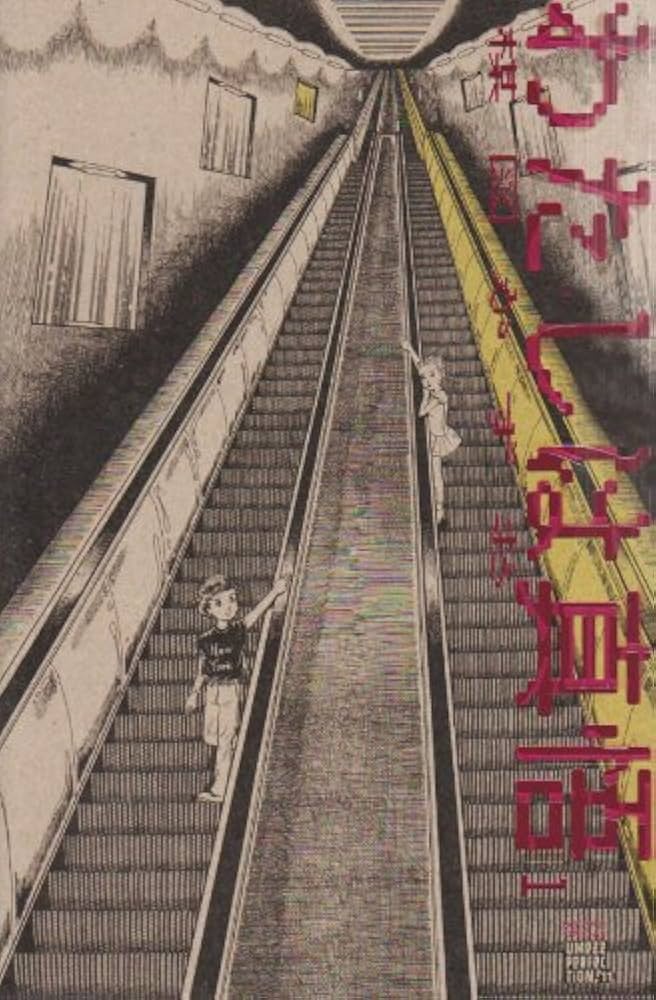
It’s a story that’s nearly impossible to summarize, starting with such a wildly unconventional premise. The industrial robot gains consciousness, awakens, and sets out to find Satoru and Marin, who have been separated. Yet what makes this story truly remarkable is the unbroken chain of Umezu’s imagination. Ignoring any thought of reader expectations, he drives the narrative full throttle, creating a feverishly intense and surreal story. Critics have noted the work’s prescience in anticipating “AI” – a kind of foresight or prophetic quality that recurs throughout Umezu’s oeuvre – but beyond any analytical lens, what readers experience is a visionary, almost hallucinatory world of manga that transcends storytelling and approaches pure art. It’s a universe of creation that only Umezu could conjure.
UMEZZ as Art
The long-awaited follow-up to My Name is Shingo – Umezu’s first new work in 27 years, made its debut at the Kazuo Umezu: Grand Art Exhibition. Titled ZOKU-SHINGO: The Little Robot Shingo Art Museum, the piece is a series of 101 acrylic paintings, each displayed in identical frames. Umezu’s manga is known for its distinctive paneling: painstakingly detailed, it creates a unique rhythm and timing, building suspense and fear while remaining “cinematic” in effect, as he puts it. In this series, that same sensibility is translated into paintings. Each image stands alone as a finished work, yet arranged in sequence, they weave a continuous story, bringing the narrative flow of his manga into the gallery space in a fresh, artful way.

From: Kazuo Umezu: Grand Art Exhibition Official Website
Beyond his playful, quirky characters, Umezu was known as a thoughtful, bookish, and highly analytical creator. The new works in the exhibition weren’t just a fresh artistic challenge, but they may also represent his bold effort to expand the very “frame” of what manga can be. And those who create such entirely new value? We call them artists.