People get into art in different avenues, but typically, the barrier of entry is high. Difficult concepts, overly manicured galleries, and the atmosphere of museums can be a bit overwhelming. (And it sometimes feels as if the artists and staff judge you for your perception of the pieces…)
Lighthearted art experience for all
However, “Public Art” is something that anyone can enjoy to their own accord at any time.
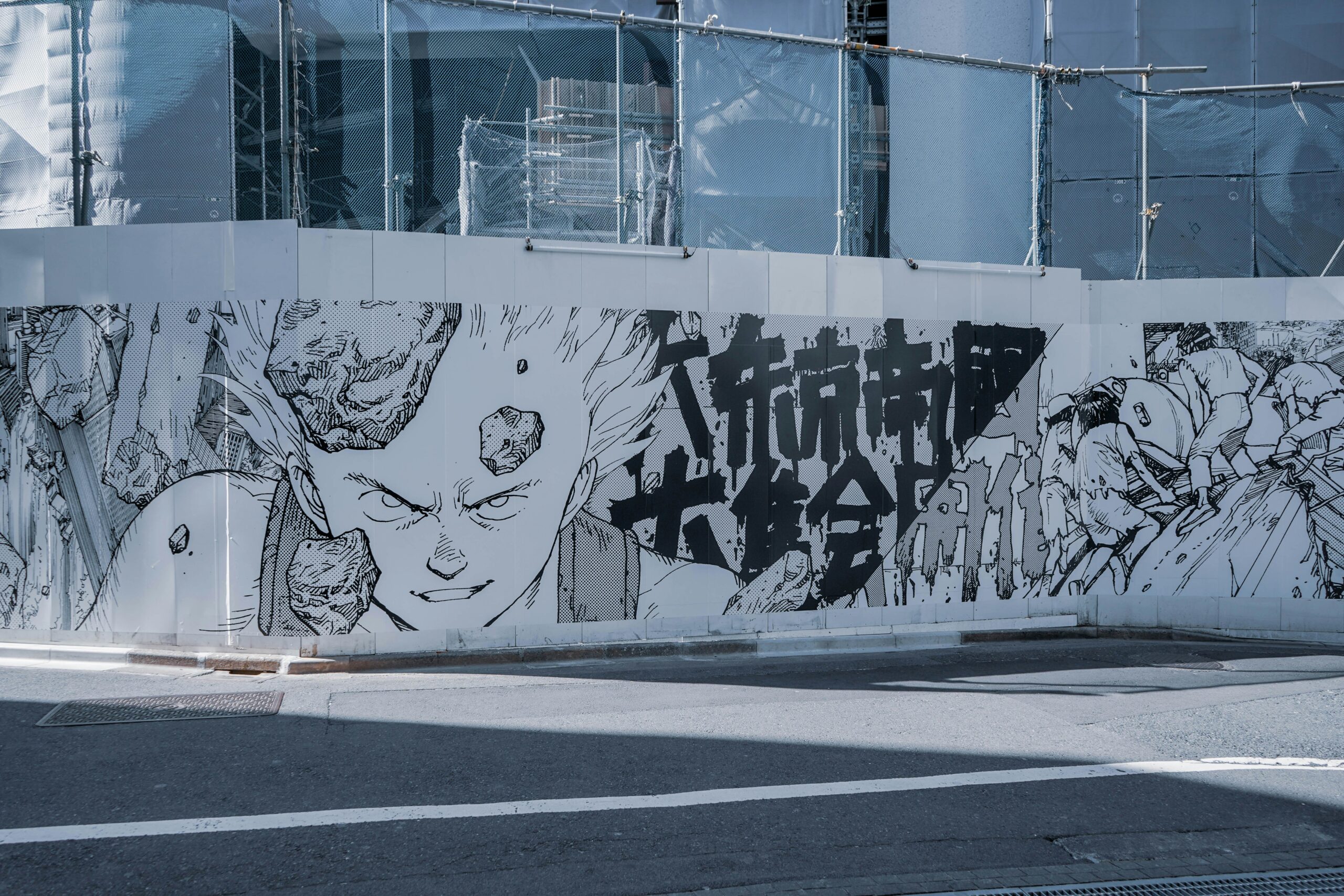
Public art refers to “artistic/cultural pieces within public locations”. After the Great Depression in the 1930s, public art became a government subsidized operation for financially struggling artists in countries like the U.S and Sweden. Post-war brought forth regulations for public art displays in France, and expanded throughout the U.S, China, Taiwan, Korea and others to preserve/extend cultural arts through subsidized means.
Art becomes a tool to connect with others. Public art, in essence, was a byproduct of countries’ understanding and valuing art as a viable, important communication tool.
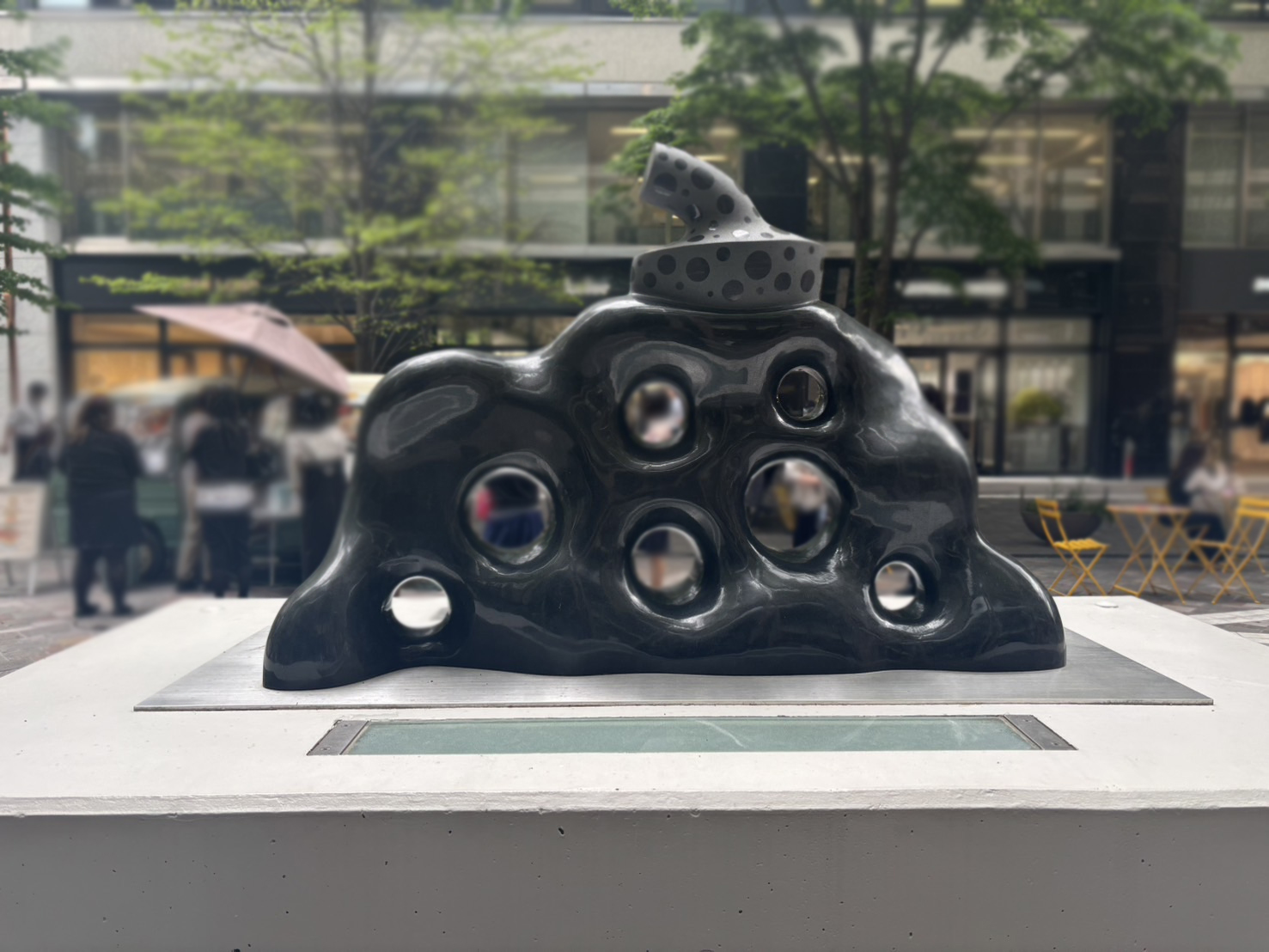
The beauty of public art lies in the ability to see and touch said art pieces up close, without worrying about specific rules or surrounding eyes judging how you enjoy the art. It serves as local symbols as well- like the Marunouchi Street Gallery, which, like the name suggests, is a street full of public art exhibits for all to enjoy.
Here, one can enjoy the art of impactful young talents as well as heavy hitters like Henry Moore or Yayoi Kusama, famous for her polka dot patterns. Marunouchi streets have recently become synonymous as a shopping street as well by inviting many brands within the area, with some restaurants nearby offering to-go for an all inclusive art experience while eating, drinking, or shopping.
Size as an appeal
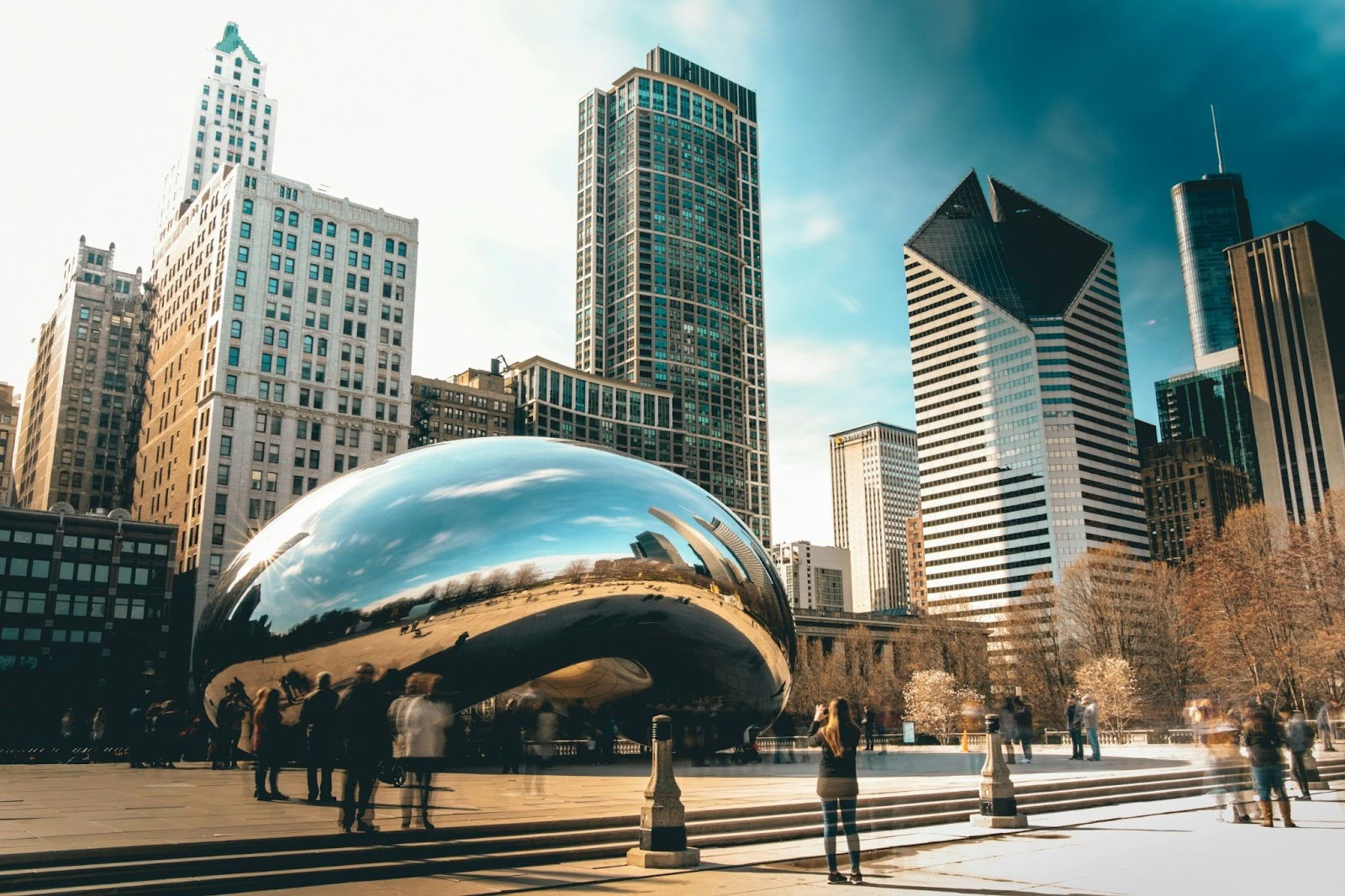
Another appeal point for public art is the sheer size of the installation. Some art pieces are purposely installed outside, and one can experience the vast integration of art pieces given the amount of space provided.
Like the “Tower of the Sun” that everyone in Japan is familiar with- can technically be considered a forerunner for public art installations.

Made in 1970 as the symbol of the Osaka Expo, the “Tower of the Sun” currently resides in the Expo Park in Suita City, Osaka. One can visit inside via appointment only- a tower still surrounded in mystery, one can explore the tower in an expedition-like wonder.
Shibuya Station also features artwork from Taro Okamoto, the creator of “The Tower of the Sun”. “Myth of Tomorrow” was created around the same time as the tower, and marks the hallway between Shibuya Station and Shibuya Mark City, as well as the Inokashira line entrance.
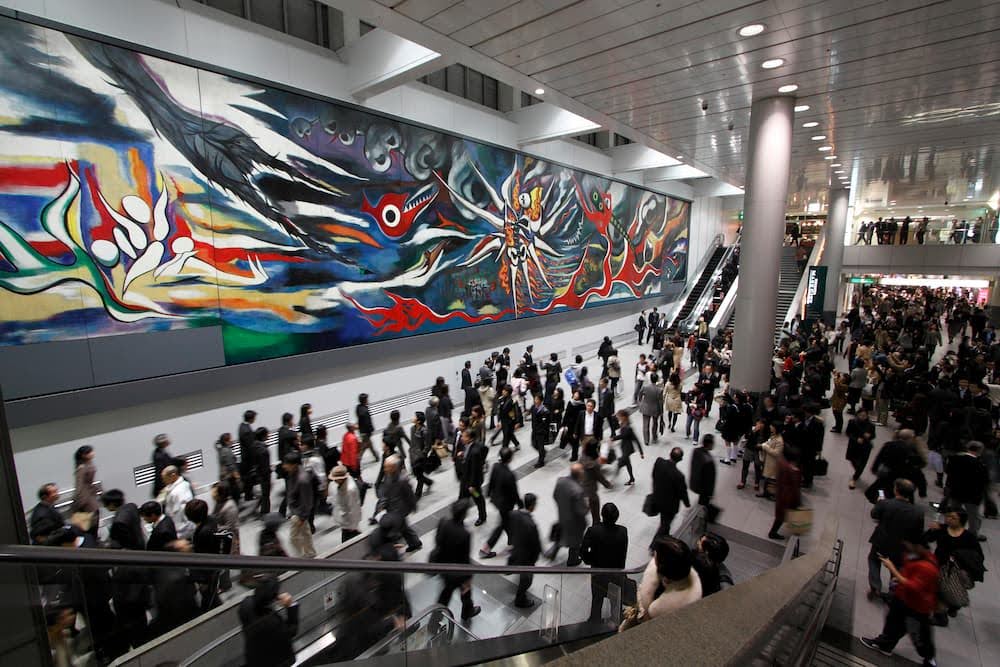
Art located in stations are easily viewable through the morning commute, and could be considered as one of the most digestible art appreciation formats out there.
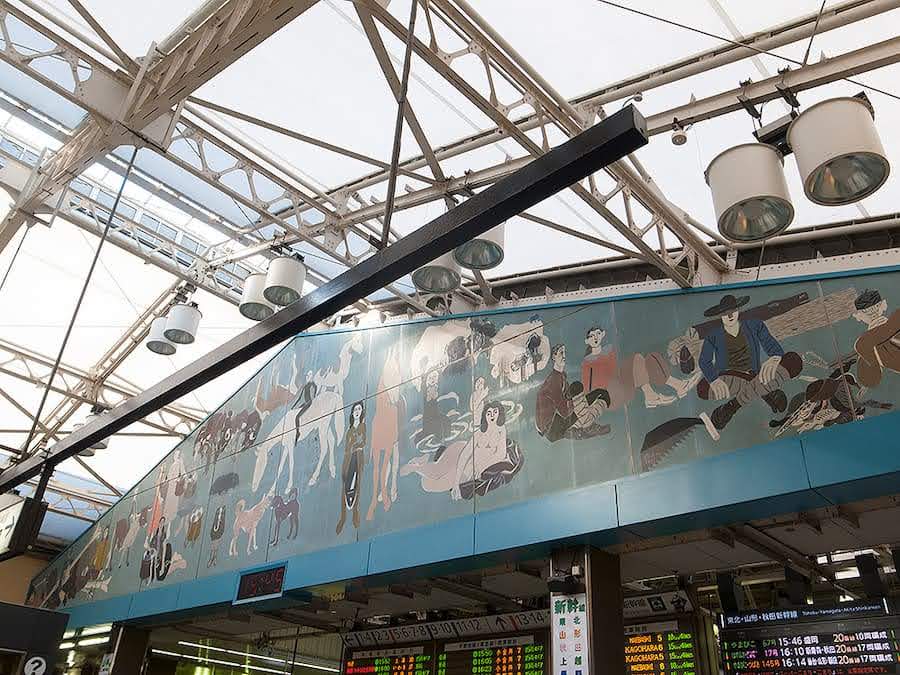
Furthermore, above Ueno Station’s JR Chuo exit is an illustration of people frolicking with animals across the roof. This artwork was authored by Genichiro Inokuma and features life from all walks of life, from naked women to talking couples, hunters, free roaming horses, among others, promoting a strong sense of inclusion.
Fusion with city development
Now, there is a company who is in the center of establishing these public arts in our everyday lives. That would be Mori Buildings (Mori Biru)- a real estate development firm responsible for developing public facilities and commercial buildings.
The Roppongi Hills, constructed in 2003, implemented the “Roppongi Hills Public Art and Design Project” in hopes of making Roppongi the epicenter of culture in Tokyo. Within the area, more than 20 world-famous artists and designers’ works are displayed. For over 20 years, this area aimed to provide a connection between the city, the facility, and the people surrounding it through public art. The art now serves as a creative, expressive symbol of cultural impact and helps unite the people who frequent these areas.
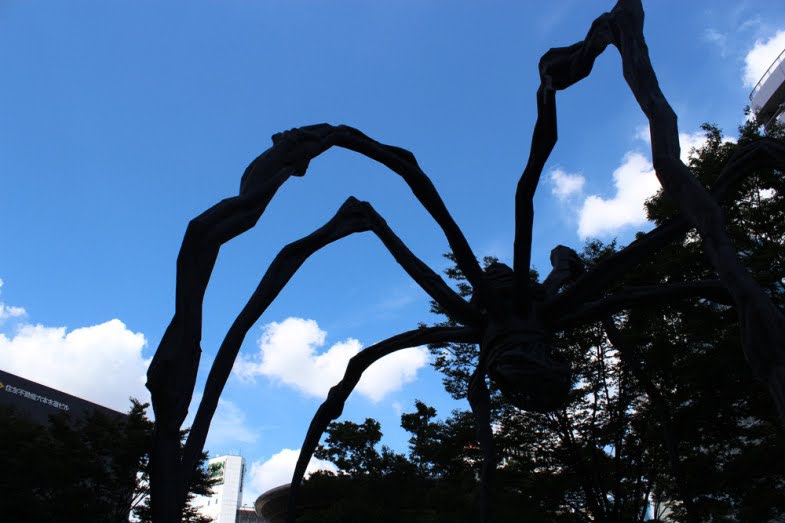
Public art, in addition to its accessibility in public, has one more significant perk- that it’s free!
So now, next time you see something in public, why not go check it out? Even if you don’t frequent exhibits or galleries, this could be a great start in your world of exploration.