Traditional Japanese sweets, known as wagashi, are experiencing a notable boom right now. When you hear “wagashi,” you may evoke images of classical confections that carry Japan’s centuries-old traditions. From nerikiri (refined bean paste confections) to delicate sugar crafts, wagashi has long embodied a sculptural quality. Today, audiences worldwide are drawn to wagashi’s unique quality: the capture of a fleeting, ephemeral moment before consumption.
Spotlighting a new generation of creators revitalizing the craft, establishment of shops that balances tradition with artistic innovation, and artists who employ wagashi as their primary creative medium, this feature explores the intersection of wagashi and contemporary art.
A New Form of Wagashi Emerging from Its Place of Origin
The origins of wagashi enjoyed today can be traced back to Nagasaki Prefecture, where active foreign trade during the Edo period made sugar relatively accessible. This fostered a thriving confectionery culture in the region. “Sweet Hirado,” held regularly in Hirado, Nagasaki Prefecture, reimagines wagashi through tea ceremony events.
Launched in 2016, the project has invited Dutch artists INA-MATT and Roosmarjin Pallandt with long-established local confectioners of Hirado to create innovative wagashi.
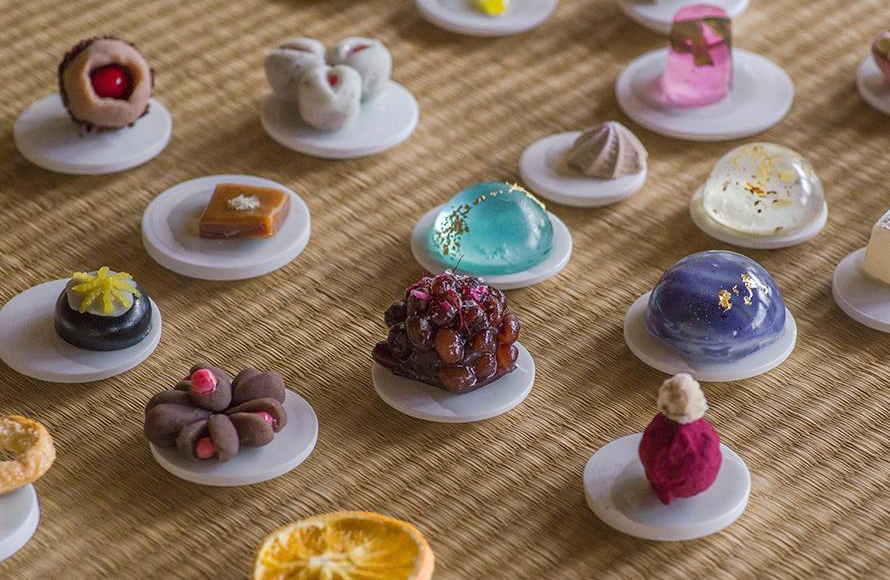
Mikawachi-yaki pottery, Dutch glassware, and silverware, offering audiences a multisensory experience.
The artists draw inspiration from “Hyakka no Zu,” a catalogue of sweets created about 200 years ago by Lord Matsuura Kiyo of the Hirado Domain for his townspeople. Building on this legacy, they have developed “Hirado Kashi” that blends tradition and innovation in a new way.
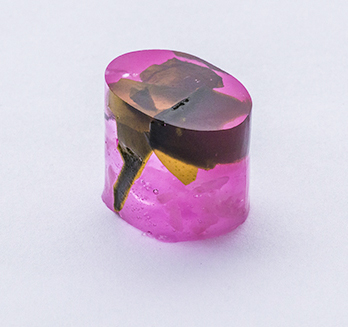
The 24 varieties of wagashi created for this project are documented online, each with its own narrative. Even just viewing these sweets on screen is fascinating. Outside of scheduled events, orders can be placed through the website.
Exploring Wagashi Through “Utsuwa” (Vessels)
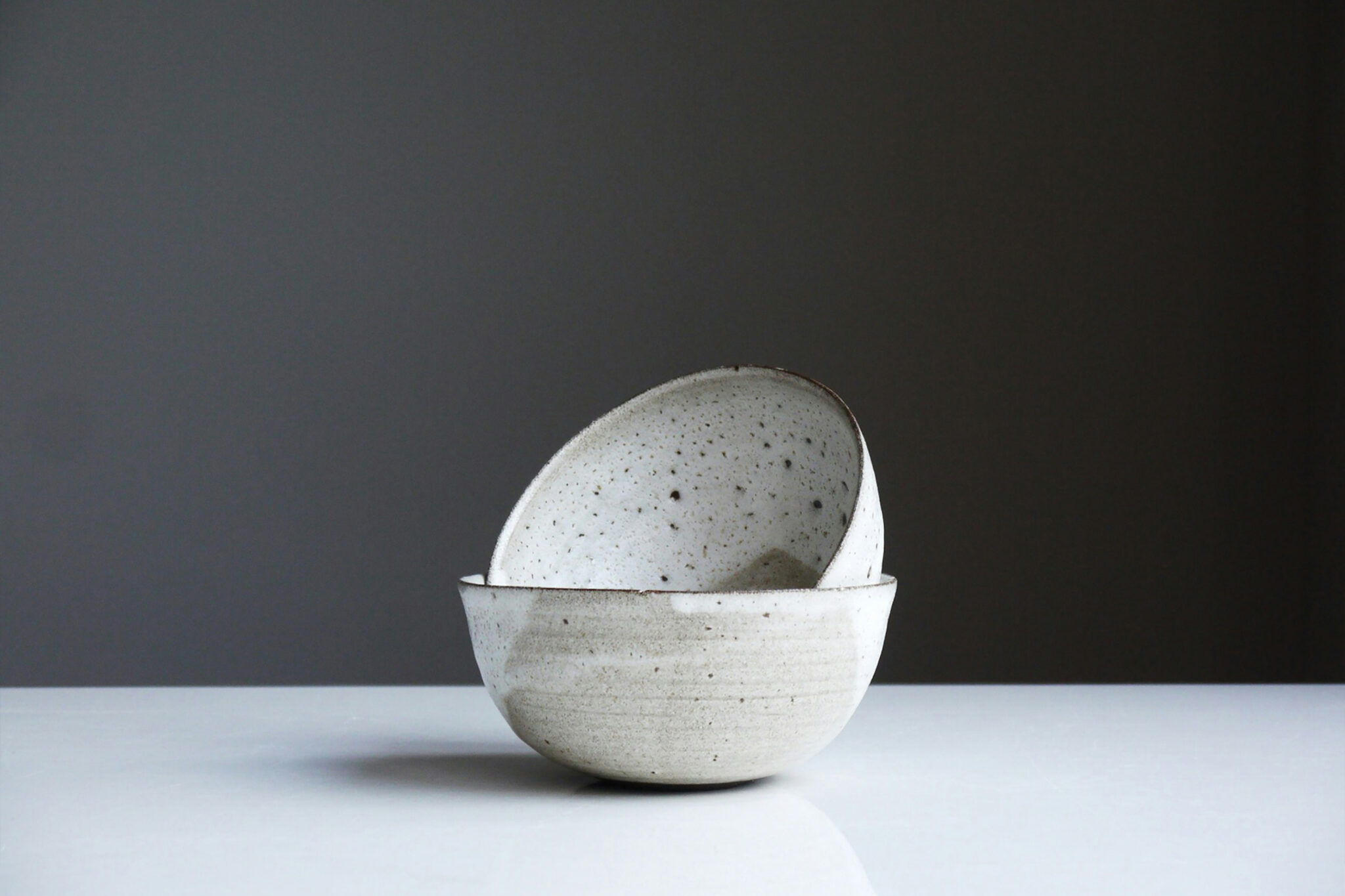
The “Utsuwa and Wagashi” exhibition marked its 10th anniversary in 2025. This is a special exhibition of curated vessels by 23 students of the Ceramics program in the Department of Craft and Industrial Design at Musashino Art University, featuring sweets of the long-established confectionery shop “Toraya.”
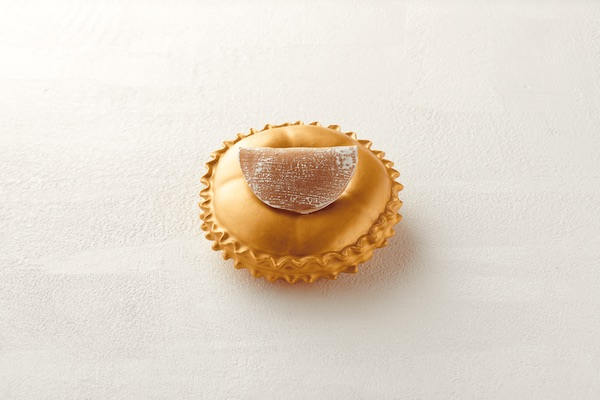
The exhibition explores the experience of enjoying wagashi beyond taste and appearance, examining it within a spatial context. Students created works centered on the vessels that present these sweets, following immersive workshops by Toraya’s craftspeople where they learned the art of wagashi-making. Through this engagement, they learned the seasonal sensibilities and emotions embedded in wagashi design, ultimately reconstructing the relationship between “wagashi” and “utsuwa.”
The exhibition collaborator “Toraya” is one of Japan’s top leading wagashi shops that also operates galleries at several flagship locations. In January 2024, they held “Wagashi and Manga” at their Tokyo Midtown store.
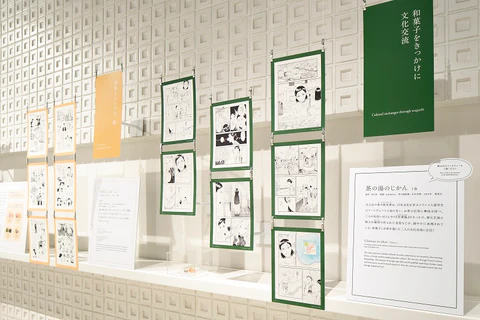
The exhibition featured wagashi scenes excerpted from 10 volumes across 8 manga titles. Curators chose works that naturally drew readers’ curiosity toward wagashi, or scenes that made you think “I want to try those sweets!,” instead of limiting selections to stories set in wagashi stores or narratives where wagashi played a central role. The approach reflects Toraya’s ongoing effort to reframe perceptions of wagashi through an artistic lens.
Newcomers Updating Wagashi with A Unique Vision
Kashiya Kokonotsu
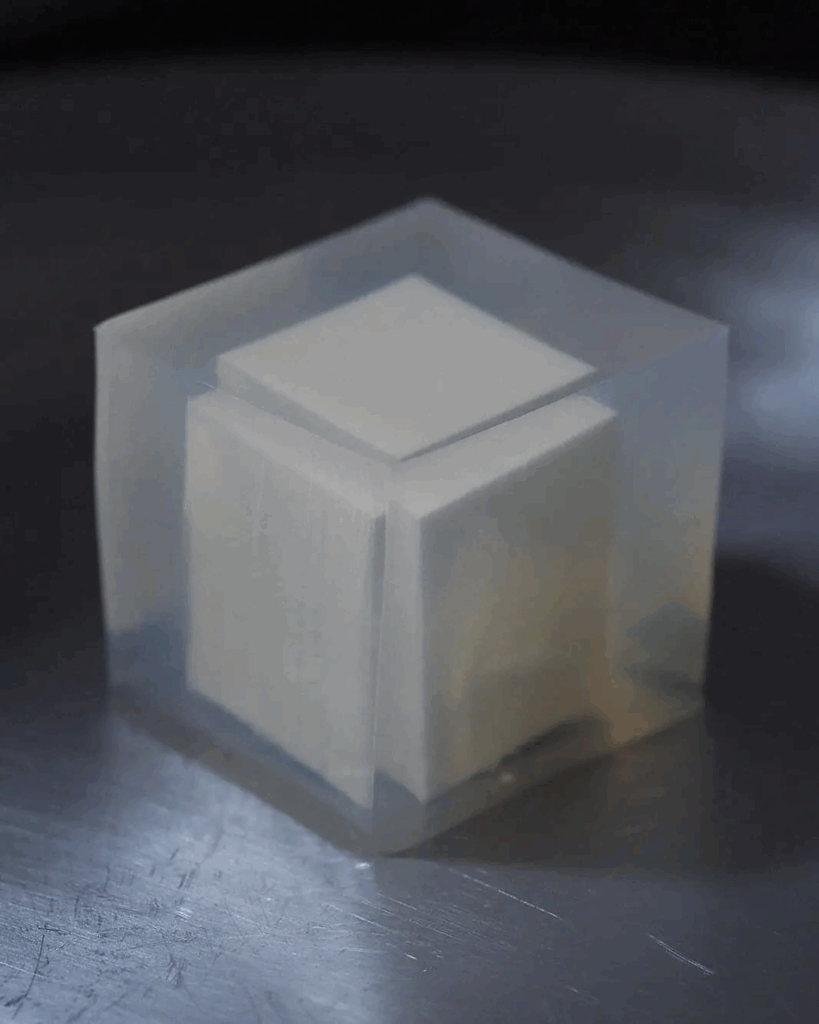
Kashiya Kokonotsu reinterprets traditional Japanese sweets and time-honoured production methods through a distinctive aesthetic sensibility. Through their wagashi, they articulate a philosophy of selective preservation – identifying what should remain unchanged and what invites evolution.
The confections captured on Kokonotsu’s Instagram page have captivated people with their understated yet breathtaking beauty. “Kashiya Kokonotsu Saryo” now operates in Torigoe, Asakusa, where guests can experience a multi-course tasting in a curated setting. Available by reservation only and with photography prohibited, the space encourages a full sensory immersion of Kokonotsu’s sweets.
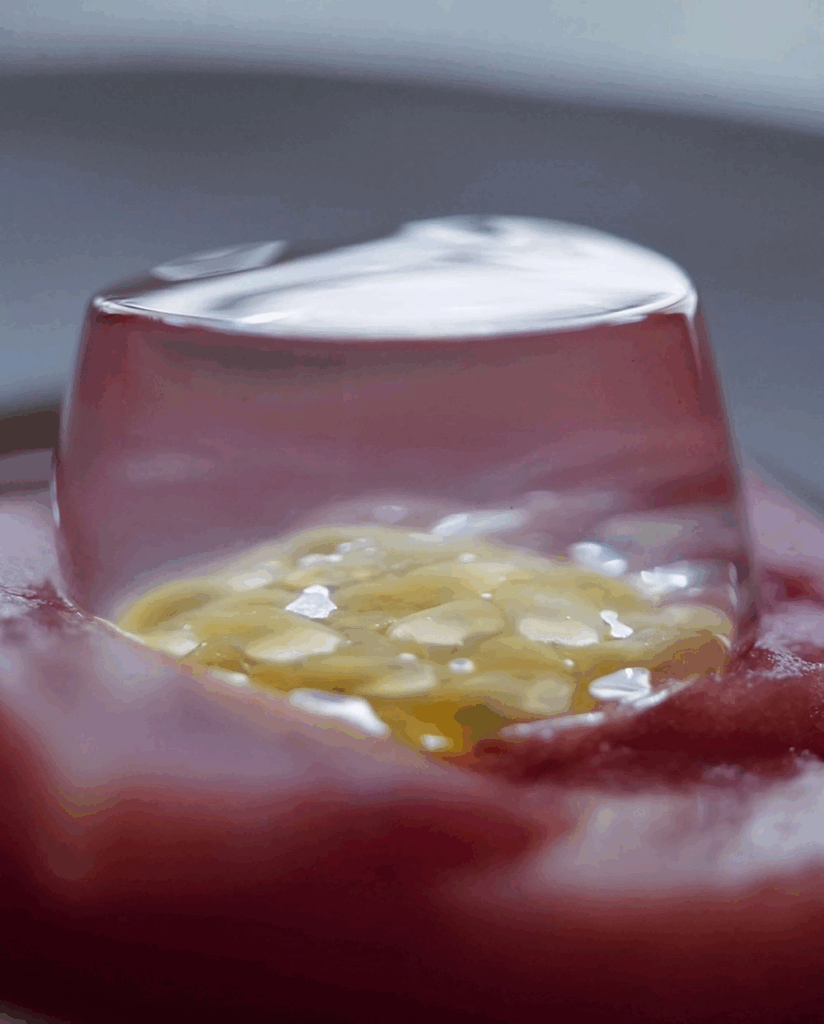
Founder Miho Mizoguchi studied food and nutrition at junior college and after graduation, trained at wagashi shops in Kyoto and Tokyo. She launched Kashiya Kokonotsu when she was 23, bringing unique perspectives unconstrained by the rules and conventions surrounding wagashi. Her work honors traditional wagashi ingredients while integrating Western techniques, reimagining seasonal fruits and produce through a wagashi perspective that foregrounds Japanese seasonality, ingredients, and color.
Wagashi as Edible Sculpture
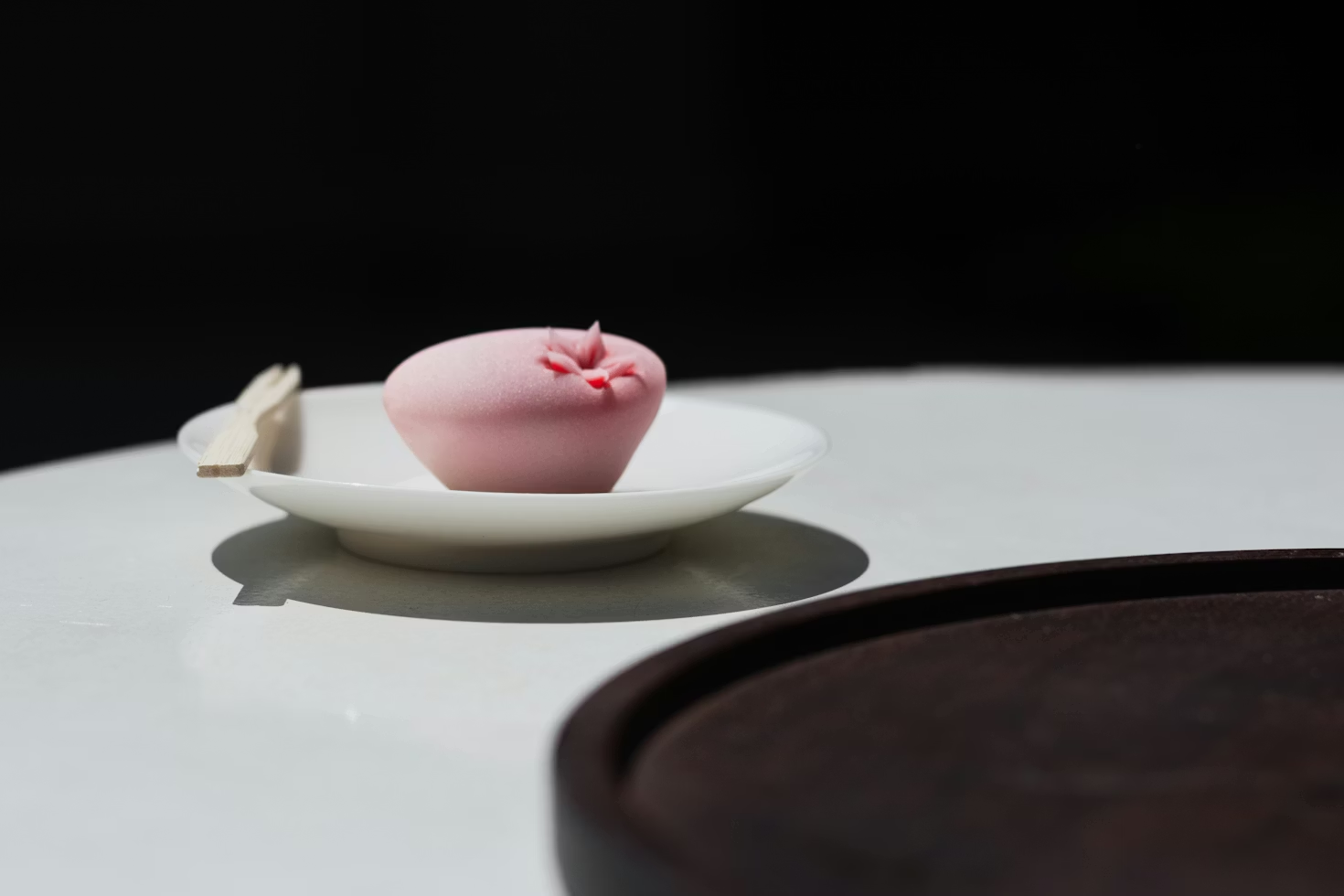
Shiho Sakamoto is a food artist who reimagines wagashi through a contemporary lens. Under her brand “Shiwon”, she creates unprecedented works that build upon traditional wagashi techniques, reaching audiences both in Japan and internationally.
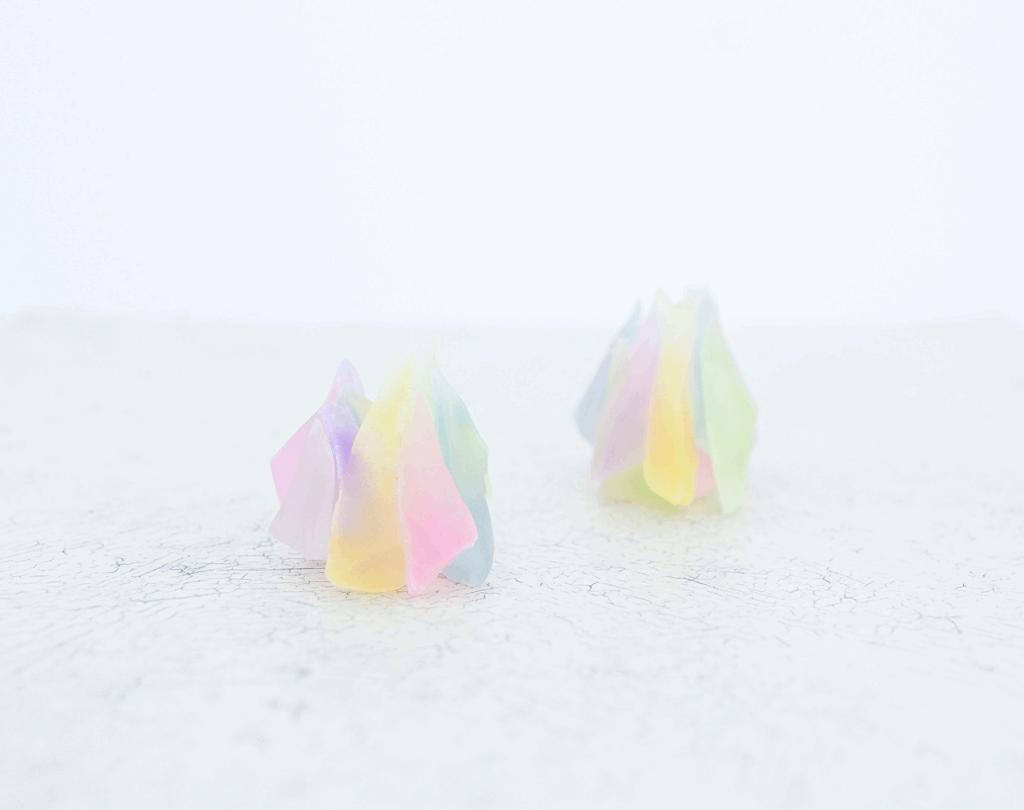
She characterizes wagashi as edible sculpture. Her creations synthesize enduring Japanese sensibilities – the colors of flowers, the scents of plants, the joy of seasons – with wagashi’s intangible dimensions: light, temperature, humidity, and time. Her carefully composed visuals and expressions have cultivated a substantial following on platforms like Instagram, drawing fans from around the world.
Wagashi leverages Japan’s distinctive traditions and production methods while extending their expressive possibilities. While their visual allure is captivating, the confections offer nuanced sweetness and seasonal resonance. What unites these creators is a profound engagement with wagashi’s ephemeral nature. Introducing such “artistic” wagashi to your table, almost too beautiful to eat, offers an invitation to refine one’s aesthetic sensibility.